Wedding photography

Wedding photography is the main source in the wedding photoshoot makes beautiful for life memories and make the dreams come from the wedding photography

Like the technology of photography itself, the practice of wedding photography has evolved and grown since the invention of the photographic art form in 1826 by in fact, an early photograph, recorded some 14 years after the fact, may be a recreation for the camera of the 1840 wedding of Queen Victoria to Prince Albert. However, in the early days of photography, most couples of more humble means did not hire a photographer to record the actual wedding itself. Until the later half of the 19th century, most people didn’t pose for formal wedding photos during the wedding. Rather, they might pose for a formal photo in their best clothes before or after a wedding. In the late 1860s, more couples started posing in their wedding clothes or sometimes hired a photographer to come to the wedding venue.

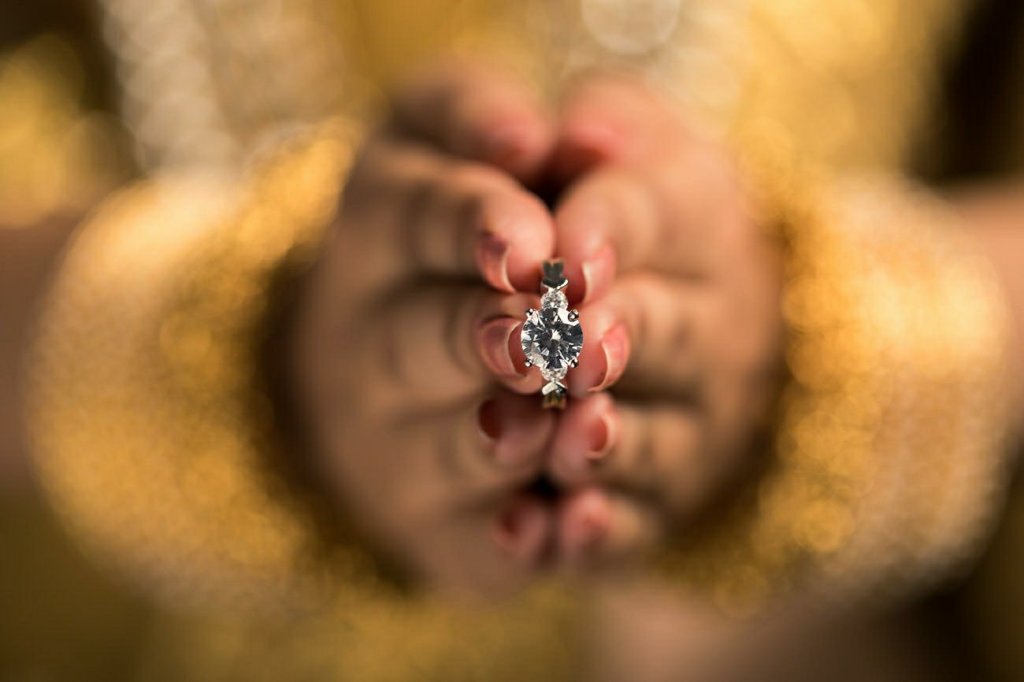
Wedding photography is a specialty in photography that is primarily focused on the photography of events and activities relating to weddings. It may include other types of portrait photography of the couple before the official wedding day, such as a pre-wedding engagement session . On the official wedding day, the  will attempt to provide portrait photography, as well as documentary photography coverage to document the different events and rituals throughout the wedding day
Nature photography

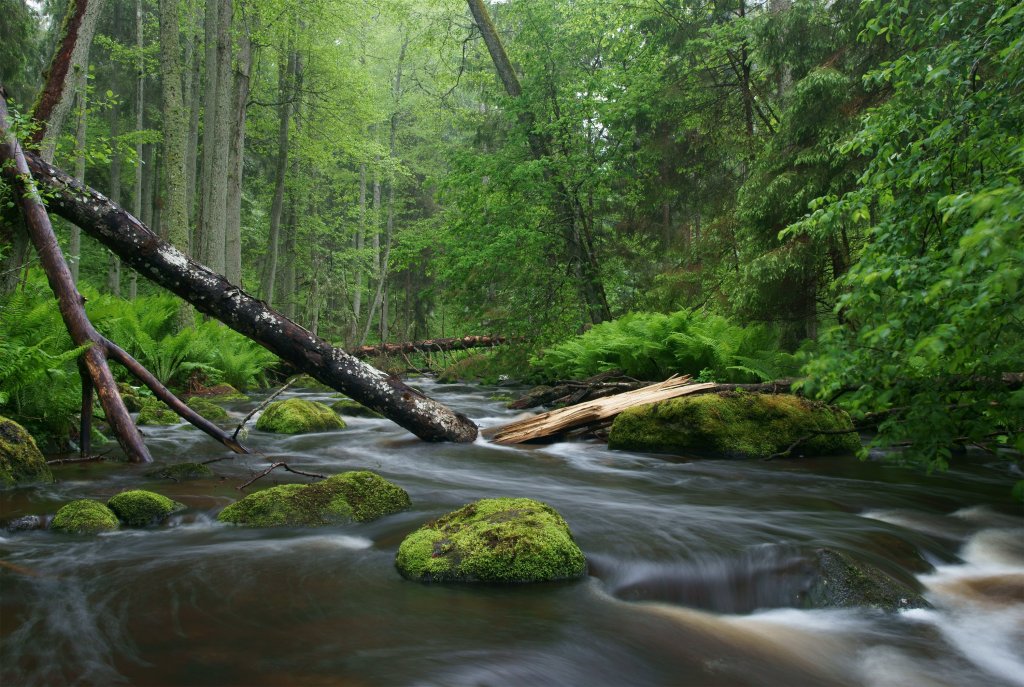
Nature photography environmental photography which means a man shoot the photos of nature to compare the nature and the sky which can makes the more important to the nature

Nature photography is a wide range of photography taken outdoors and devoted to displaying natural elements such as landscapeswildlifeplants, and close-ups of natural scenes and textures. Nature photography tends to put a stronger emphasis on the aesthetic value of the photo than other photography genres, such as  and photography[1]

“Nature photography” overlaps the fields of — and is sometimes considered an overarching category including — “wildlife photography,” “landscape photography,” and “garden photography”.The photography makes the wide range of photos which occur plants and tress.

Wild life photography

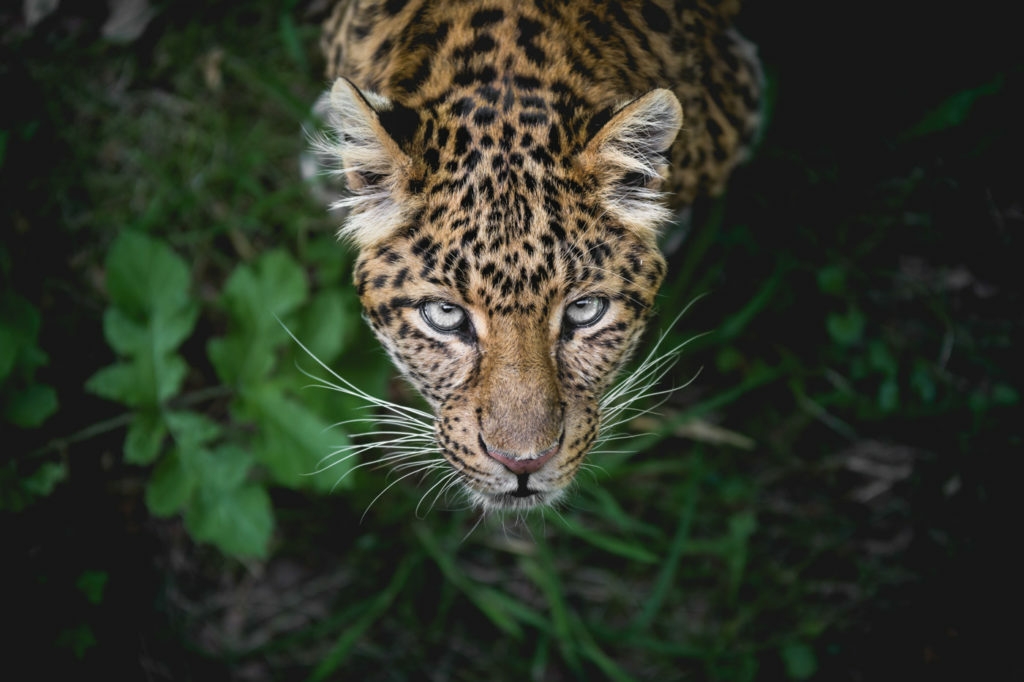
Wildlife photography is a genre of photography concerned with documenting various forms of wildlife in their natural habitat.

As well as requiring photography skills, wildlife photographers may need field craft skills. For example, some animals are difficult to approach and thus a knowledge of the animal’s behavior is needed in order to be able to predict its actions. Photographing some species may require stalking skills or the use of a hide/blind for concealment.

While wildlife photographs can be taken using basic equipment, successful photography of some types of wildlife requires specialist equipment, such as macro lenses for insects, long focal length lenses for birds and underwater cameras for marine life. However, a great wildlife photograph can also be the result of being in the right place at the right time[1] and often involves a good understanding of animal behavior in order to anticipate interesting situations to capture in photography.

In the early days of photography, it was difficult to get a photograph of wildlife due to slow lenses and the low sensitivity of photographic media.[2] Earlier photos of animals were usually pets, stuffed[3], and zoo animals.[4][5] These included photos of lion cubs taken at the Bristol zoo in 1854 and in 1864, photos of the last Quagga by Frank Hayes.[6] Wildlife photography gained more traction when faster photography emulsions and quicker shutters came in the 1880s.[7] Developments like these lead to photos such as the ones taken by German Ottomar Anschutz in 1884, the first shots of wild birds in action.[7] In July 1906, National Geographic published its first wildlife photos.[8] The photos were taken by George Shiras III, a U.S. Representative from Pennsylvania. Some of his photos were taken with the first wire-tripped camera traps.[9][10]

Gear for wildlife photography is very specialized and uses different lenses and equipment than most other disciplines. Most wildlife lenses have a very long focal length between 150mm and 600mm, allowing the photographer to get a tighter image filling the frame with their chosen subject. However, whilst the majority of wildlife is shot with a telephoto lens, when a wide-angle lens is used it can provide striking shots of animals within their environment.[12]

Gear for wildlife photography is very specialized and uses different lenses and equipment than most other disciplines. Most wildlife lenses have a very long focal length between 150mm and 600mm, allowing the photographer to get a tighter image filling the frame with